Estimated reading time: 6 minutes
This Hawaii sea turtles guide will introduce you to an amazing creature that lives around the islands. Sea turtles are one of the most meaningful wildlife encounters you can have in Hawaii. Seeing one glide through clear water or rest quietly along the reef tends to slow everything down. The moment feels calm and personal, even when you are sharing the ocean with others. For many visitors, turtles become a lasting symbol of their time in the islands.
Key Takeaways
- Hawaii sea turtles guide introduces the importance and beauty of sea turtles in Hawaii.
- The Hawaiian green sea turtle, or honu, is the most common turtle seen, known for its gentle nature and feeding habits.
- Other turtle species, like hawksbill and leatherback, are rare but enrich Hawaii’s marine biodiversity.
- Sea turtles are protected due to past threats; responsible observation is essential to their conservation.
- Culturally, sea turtles symbolize wisdom and protection in Hawaiian tradition, making encounters meaningful.
Hawaii is home to several species of sea turtles, but one appears far more often than the rest. Understanding who these turtles are, where they live, and how to interact with them respectfully helps turn a simple sighting into a deeper experience. Explore this Hawaii sea turtles guide now to learn more.
The Hawaiian Green Sea Turtle
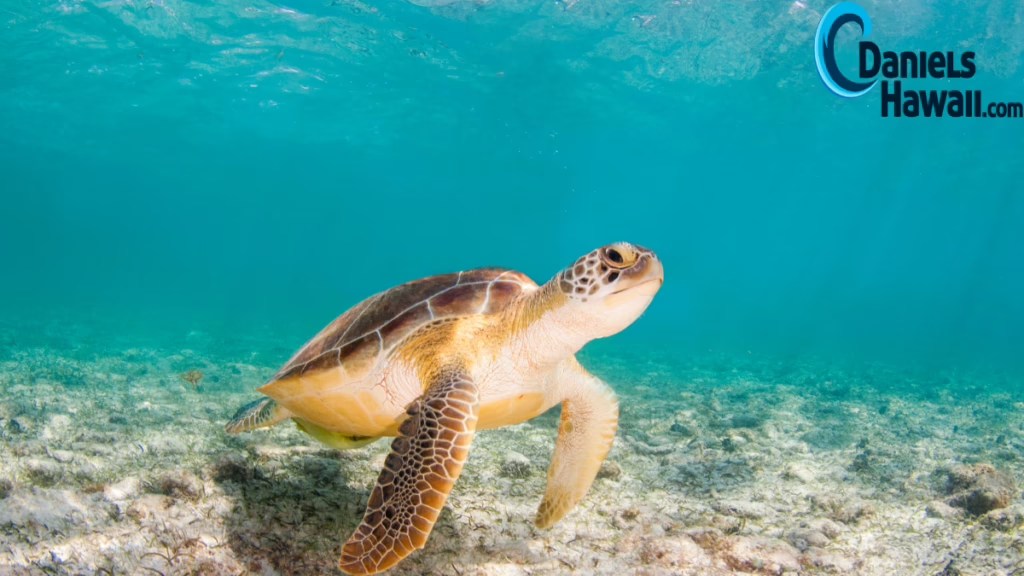
The most common sea turtle you will see on tours and excursions in Hawaii is the Hawaiian green sea turtle, known locally as honu. These turtles can weigh several hundred pounds and live for many decades. Despite their size, they move through the water with an effortless grace.
Honu spend much of their time feeding on algae that grows along reefs and rocky shorelines. Because of this, they tend to return to the same areas again and again. That consistency is what makes turtle sightings possible from shore at many locations around the islands.
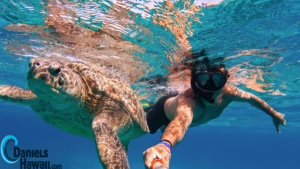
Green sea turtles breathe air, so they regularly surface. When snorkeling, you may notice a turtle rise slowly, take a breath, and then sink back down toward the reef.
Other Sea Turtles Found in Hawaii
While honu are the most familiar, Hawaii is also visited by a few other sea turtle species. These sightings are far less common, but they do happen.
Hawksbill turtles occasionally appear, especially around coral reefs. They are smaller and have a more pointed beak. Leatherback turtles pass through Hawaiian waters as well, usually far offshore. Loggerhead and olive ridley turtles are rare visitors.
Most people will never see these other species, but knowing they exist adds to the richness of Hawaii’s marine environment.
Where Sea Turtles Live and Feed
Sea turtles in Hawaii favor shallow coastal waters where food is plentiful. You often find them near coral reefs, rocky shorelines, and algae covered ledges.
Some turtles spend much of their lives around a single island, while others travel long distances across the Pacific. Despite these migrations, many turtles show strong loyalty to certain feeding areas.
This is why specific beaches and snorkeling spots are known for turtle sightings. When conditions are calm and visibility is good, these areas offer consistent opportunities to observe turtles in their natural habitat.
Why Sea Turtles Are Protected
Sea turtles are protected under state and federal law in Hawaii. This protection exists because turtle populations were once severely threatened by hunting, habitat loss, and human interference.
Today, conservation efforts have helped stabilize populations, but turtles remain vulnerable. Slow growth rates and long lifespans mean recovery takes time.
It is illegal to touch, chase, or harass sea turtles. On land and in the water, you are required to keep your distance. These rules help reduce stress and allow turtles to feed and rest undisturbed.
How to Observe Sea Turtles Responsibly
Watching sea turtles is a privilege that comes with responsibility. Whether you are snorkeling, swimming, or walking along the beach, your behavior matters.
In the water, allow turtles to move freely. Stay calm and float rather than swimming toward them. If a turtle changes direction, that is a sign you are too close.
On land, turtles sometimes rest on beaches to warm themselves. Give them space and respect posted signs or barriers.
Responsible observation leads to better experiences and helps protect turtles for future generations.
Cultural Significance of Sea Turtles in Hawaii
Sea turtles hold deep cultural meaning in Hawaii. In Hawaiian tradition, honu are symbols of wisdom, protection, and long life.
Stories and legends often describe turtles as guides or guardians. Some families believe turtles represent ancestral spirits watching over loved ones.
This cultural connection adds another layer to turtle encounters. Seeing a honu is not just a wildlife moment, but a reminder of the strong relationship between the ocean and Hawaiian culture.
Best Ways to See Sea Turtles in Hawaii
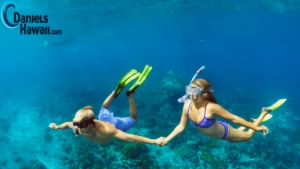
You can see sea turtles in Hawaii in several ways, depending on your comfort level. Snorkeling offers the most immersive experience, allowing you to watch turtles move naturally through the water.
Some beaches are known for turtles resting on shore, especially during certain times of day. These moments allow observation without entering the ocean.
Guided snorkeling tours are another option. Guides know where turtles are most often found and help ensure encounters remain respectful and safe.
When You Are Most Likely to See Turtles
Sea turtles can be seen year round in Hawaii, but conditions affect visibility. Calm mornings usually offer the clearest water and the best chances.
Tides also play a role. Turtles often feed during higher tides when algae is easier to reach.
Patience is important. Turtle sightings cannot be guaranteed, but when you move slowly and stay observant, encounters often happen naturally.
Common Myths About Sea Turtles
One common myth is that turtles enjoy human interaction. In reality, close contact causes stress and disrupts natural behavior.
Another misconception is that turtles are always slow. While they appear calm, turtles can move quickly when they choose to.
Understanding these myths helps set realistic expectations and encourages respectful behavior.
Why Sea Turtles Matter to Hawaii’s Ecosystem
Sea turtles play an important role in maintaining healthy reefs. By feeding on algae, they help prevent overgrowth that can smother coral.
Their presence also reflects the health of the marine environment. When turtle populations thrive, it often indicates balanced ecosystems.
Protecting turtles means protecting the reefs, fish, and ocean systems that make Hawaii special.
Experiencing Sea Turtles With Respect
We hope this Hawaii sea turtles guide has been informative for you. Seeing a sea turtle in Hawaii often leaves a lasting impression. The experience feels quiet and grounding, especially when it happens unexpectedly.
When you approach these moments with patience and respect, they become more meaningful. You are not just observing wildlife, but participating in a shared environment.
Sea turtles have been part of Hawaii’s waters for millions of years. With care and awareness, they will continue to be part of the islands long into the future.
Sea turtles have been part of Hawaii’s waters for millions of years. With care and awareness, they will continue to be part of the islands long into the future.
Do you have questions? Are you ready to book? Book online, fill out the contact form, or call/text the reservations team: +1 (808) 400-4481