
Estimated reading time: 7 minutes
Key Takeaways
- Yes, there are sharks in Waikiki, but it is generally safe to swim there.
- Hawaiʻi’s marine ecosystem includes over 40 shark species, with few near the shore.
- Waikiki is safer than other beaches due to high human activity and shallow waters.
- Shark incidents are rare; statistically, you’re more likely to get injured driving than swimming.
- Follow safety rules, such as avoiding swimming at dawn or dusk and staying out of murky water.
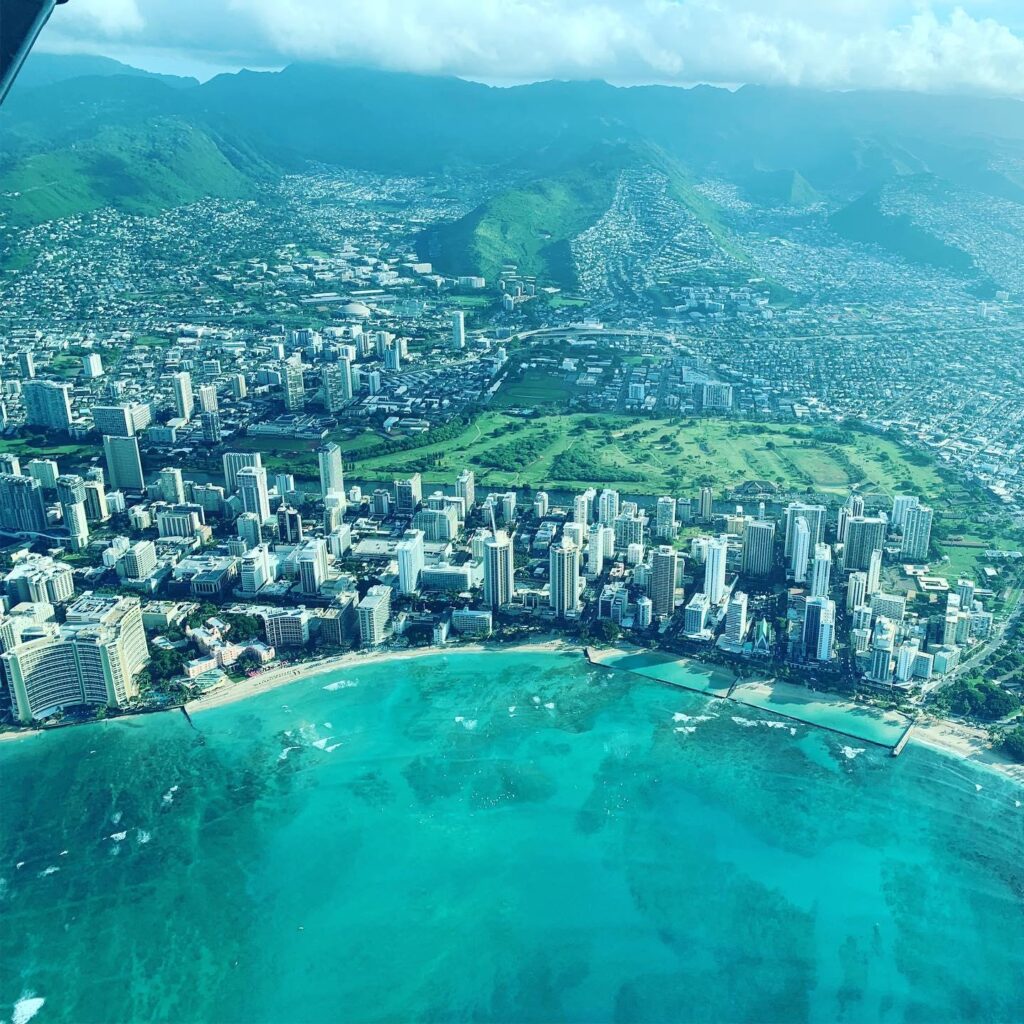

Are There Sharks Around Waikiki? Is It Safe to Swim There?
Are there sharks in Waikiki? A complete guide with seasonal patterns, local context, and practical safety tips
If you’re planning a trip to Hawaiʻi, it’s completely normal to ask: Are there sharks in the waters around Waikiki, and is it actually safe to go swimming?
The short answer is yes, sharks do live in the ocean around Waikiki — and yes, it is generally very safe to swim there. Millions of visitors enter the water at Waikiki every year without incident. Want to learn more about sharks in Hawaii? Come on a Circle Island Tour with Daniels Hawaii and ask our knowledgeable Guides!
The longer answer is more interesting and reassuring. Understanding which sharks live in Hawaiʻi, why they are here, how often encounters happen, and when sightings are more common gives you real perspective instead of fear-based myths.
This guide breaks it all down — including seasonal shark patterns around Oʻahu, local swimming conditions, and simple safety habits used by residents.
Why Sharks Exist in Waikiki Waters (and Why That’s Normal)
Sharks are a natural and essential part of Hawaiʻi’s marine ecosystem. They’ve been swimming these waters long before Waikiki became one of the most famous beaches in the world.
Hawaiʻi is one of the most isolated island chains on Earth, surrounded by deep, nutrient-rich ocean. That means marine life thrives — and where there are fish, turtles, and reef systems, there will also be sharks.
Importantly, sharks are not “visitors” or “invaders.” They belong here. Humans are the newcomers.
What Types of Sharks Are Found Near Waikiki
There are over 40 shark species documented in Hawaiian waters, but only a small number are ever seen near shore — and even fewer near Waikiki specifically.
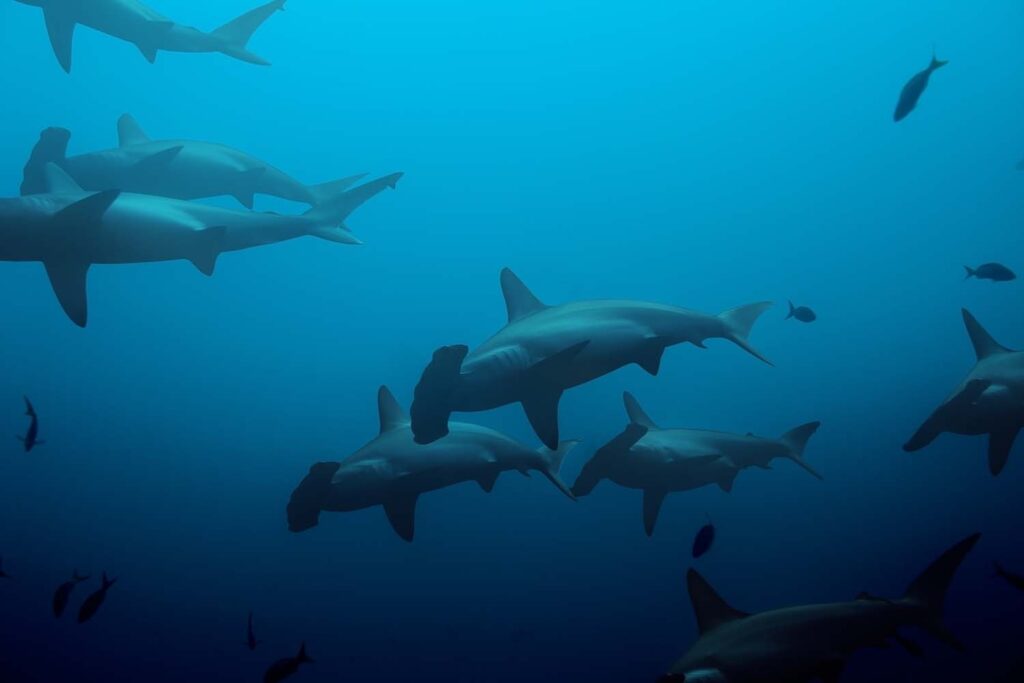
Common Species You Might Encounter
- Reef sharks (white-tip and black-tip):
Small, shy, and often resting on the reef. These are the most common nearshore sharks and pose very little risk to swimmers. - Sandbar sharks:
More common in deeper or murkier water, often near sandy bottoms. - Scalloped hammerhead sharks:
Usually offshore or in deeper channels; sightings near Waikiki are rare and typically seasonal. - Tiger sharks:
The species most often associated with shark bites in Hawaiʻi — but they are uncommon in crowded Waikiki waters and prefer deeper or less busy areas.
Is Waikiki Safer Than Other Beaches on Oʻahu?
Yes — Waikiki is considered one of the safest swimming areas in Hawaiʻi.
Here’s why:
- High human activity: Sharks naturally avoid heavily populated, noisy areas.
- Shallow reef structure: Much of Waikiki has shallow, protected water.
- Lifeguards and monitoring: Waikiki beaches are well-patrolled.
- Clear visibility: Clear water reduces mistaken identity incidents.
Compared to remote beaches or areas with river runoff, Waikiki consistently ranks as low-risk.
How Rare Are Shark Incidents in Hawaiʻi?
To put things into perspective:
- Hawaiʻi averages only a few shark bites per year statewide
- Millions of ocean entries happen annually
- Fatal incidents are extremely rare
Statistically, you are far more likely to:
- Be injured driving to the beach
- Slip on wet rocks
- Get sunburn remembering sunscreen too late
Shark encounters get attention because they’re dramatic — not because they’re common.
Seasonal Shark Patterns Around Waikiki & Oʻahu
This is where things get especially useful.
Shark presence in Hawaiian waters does change slightly by season, but these shifts don’t mean swimming suddenly becomes unsafe.
🌸 Winter & Early Spring (January – April)
- Higher tiger shark activity statewide
- Linked to mating season and migration patterns
- Most activity is offshore or near river mouths
- Waikiki remains low-risk due to crowds and shallow water
What this means for swimmers:
Still safe to swim at Waikiki, especially during the day and near lifeguarded areas. Locals may be more cautious at isolated beaches.
☀️ Late Spring & Summer (May – August)
- Peak tourism season
- Calmer ocean conditions
- Sharks are more dispersed
- Increased human presence further reduces encounters
This is statistically the safest and calmest swimming season.
🌊 Late Summer & Early Fall (September – October)
- Water temperatures peak
- Some increase in nearshore marine activity
- Still very low shark incident rates
🌧️ Fall & Early Winter (November – December)
- Rain increases runoff at river mouths
- Murkier water in some locations
- Sharks may investigate these nutrient-rich areas
Important note:
Waikiki has very few river mouths, making it safer than many other beaches after rain.
When NOT to Swim (Anywhere in Hawaiʻi)
Regardless of season, locals follow a few golden rules:
- ❌ Avoid swimming at dawn, dusk, or night
- ❌ Avoid murky water, especially after heavy rain
- ❌ Avoid river mouths and canals
- ❌ Avoid wearing shiny jewelry
- ❌ Avoid splashing excessively
These precautions apply across Hawaiʻi — not just Waikiki.
What Happens If a Shark Is Spotted?
Shark sightings do happen occasionally — and they’re handled calmly and professionally.
- Lifeguards may temporarily clear the water
- Swimmers are asked to exit calmly
- The beach typically reopens shortly after
Sightings do not mean danger, just awareness.
Hawaiian Cultural Perspective on Sharks
In Hawaiian culture, sharks (mano) are often seen as:
- Guardians
- Spiritual guides
- Symbols of strength and protection
Many families have stories of ʻaumākua (ancestral guardians) taking shark form. Fear-based narratives are largely a modern invention.
Why Waikiki Remains One of the Best Places to Swim
- Calm, protected reef
- Excellent visibility
- Constant activity
- Lifeguards on duty
- Long history of safe swimming


This combination makes Waikiki ideal for:
- First-time ocean swimmers
- Families
- Snorkeling beginners
- Visitors nervous about marine life