Estimated reading time: 0 minutes
Whale watching season Hawaii feels different from almost any other wildlife experience. You are not looking into a forest or scanning the horizon from land. You are standing beside the ocean, watching for movement in open water, knowing that something massive and alive could surface at any moment. When it happens, the feeling is quiet and powerful all at once.
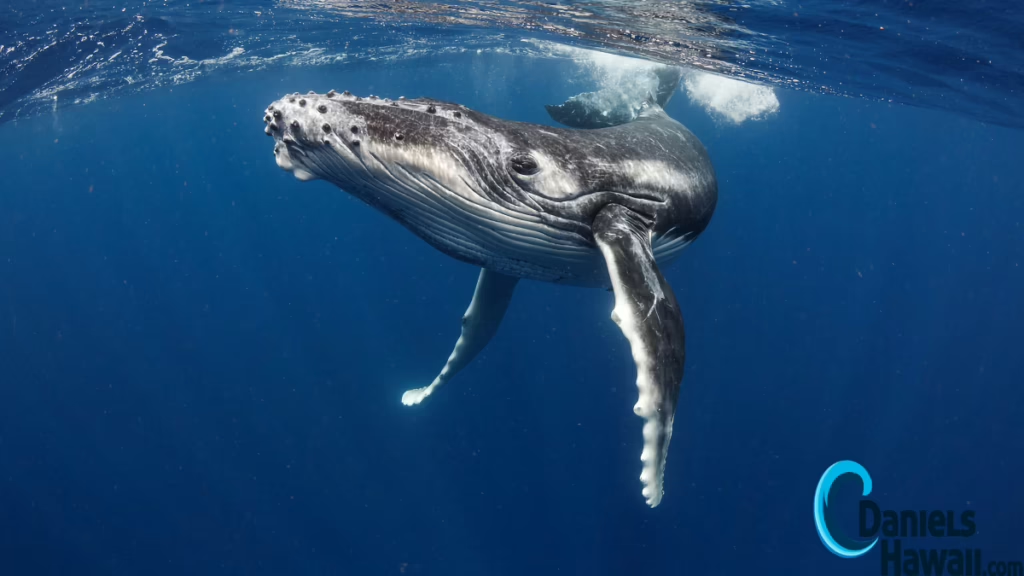
Hawaii is one of the best places in the world to see humpback whales. These animals travel thousands of miles each year to reach the warm waters surrounding the islands. Knowing when to visit makes all the difference, since whale sightings are closely tied to the seasons.
Key Takeaways
- Whale watching season Hawaii runs from December through April, with peak sightings occurring between January and March.
- Humpback whales come to Hawaii to mate and give birth, making them more visible and easier to spot near the shore.
- Maui offers the best whale watching opportunities, but Oahu, the Big Island, and Kauai also provide chances to see whales.
- Visitors can choose between shore watching for a peaceful experience or boat tours for closer interactions and educational insights.
- Timing your trip during peak season increases the chances of sightings, though early or late visits can still be rewarding.
The Official Whale Watching Season in Hawaii
Whale watching season Hawaii typically runs from December through April. During these months, humpback whales migrate from colder feeding grounds in Alaska to Hawaii’s warm, shallow waters.
The peak of the season usually falls between January and March. This is when whale numbers are highest and sightings become more frequent. During peak season, you may see whales breaching, tail slapping, or surfacing repeatedly in the same area.
Outside of these months, whale sightings are rare. Humpbacks do not live in Hawaii year round. They arrive for specific reasons tied to breeding, calving, and nurturing their young.
Why Whales Come to Hawaii
Humpback whales travel to Hawaii to mate and give birth. The warm water provides a safer environment for newborn calves, which do not have the thick layers of fat needed to survive colder temperatures.
During this time, whales are not focused on feeding. Instead, they are resting, socializing, and caring for their young. This behavior makes them more visible near the surface.
The shallow waters around the islands allow mothers and calves to conserve energy. This is one reason whales are often seen close to shore during the season.
When You Are Most Likely to See Whales
While whales can appear anytime during the season, certain conditions increase your chances. Morning hours often offer calmer water and clearer visibility, especially during winter months.
Peak season for whale watching in Hawaii brings the most consistent sightings, but early and late season visits can still be rewarding. December and April tend to have fewer whales, but sightings still happen, often with fewer crowds.
Patience matters. Whale watching is about observation rather than guarantees. Some days bring dramatic surface activity. Other days offer quieter moments where a whale surfaces briefly before disappearing again.
Best Hawaiian Islands for Whale Watching
You can see whales from several Hawaiian islands, but some locations stand out more than others.
Maui is often considered the top destination for whale watching. The channel between Maui, Lanai, and Molokai is a major gathering area for humpbacks. Sightings from shore are common during peak season.
Oahu also offers strong whale watching opportunities. Whales are often spotted along the south and west shores, especially during winter months. Boat tours increase your chances, but shore sightings do happen.
The Big Island and Kauai both see whales as well. Visibility and frequency depend on location and conditions, but sightings remain possible throughout the season.
Shore Watching Versus Boat Tours During Whale Watching Season Hawaii
You can watch whales from land or join a guided tour. Each option offers a different experience.
Shore watching feels peaceful and unstructured. You may spot a blow on the horizon or watch a tail rise slowly before slipping beneath the surface. Binoculars help, but even without them, whale activity can be visible on calm days.
Boat tours provide a closer look. Guides know where whales tend to gather and can follow movement patterns while maintaining respectful distance. Tours often include education about whale behavior and migration.
If you want higher odds and more context, a tour is a strong choice. If you enjoy quiet moments and flexibility, shore watching can be just as meaningful.